Tooting Market bulky rubbish removal explained
Posted on 12/10/2026
If you have ever stood near Tooting Market looking at a sofa that will not fit down the stairs, or a pile of broken shelves that somehow grew overnight, you will know the feeling. Bulky rubbish removal sounds simple enough until you are the one doing the lifting, sorting, booking, and trying not to block the hallway for three days. This guide to Tooting Market bulky rubbish removal explained breaks it down properly: what counts as bulky waste, how the process works, when it makes sense, what to watch out for, and how to get it done without unnecessary stress.
Whether you are clearing a flat above a shop, moving out of a shared house, or dealing with leftover furniture after a refit, the goal is the same: remove large items safely, legally, and efficiently. Let's face it, nobody wants a half-finished clearance job sitting there like a bad houseguest.
If you want a broader look at local services first, the services overview is a sensible place to start before you decide what level of help you need.
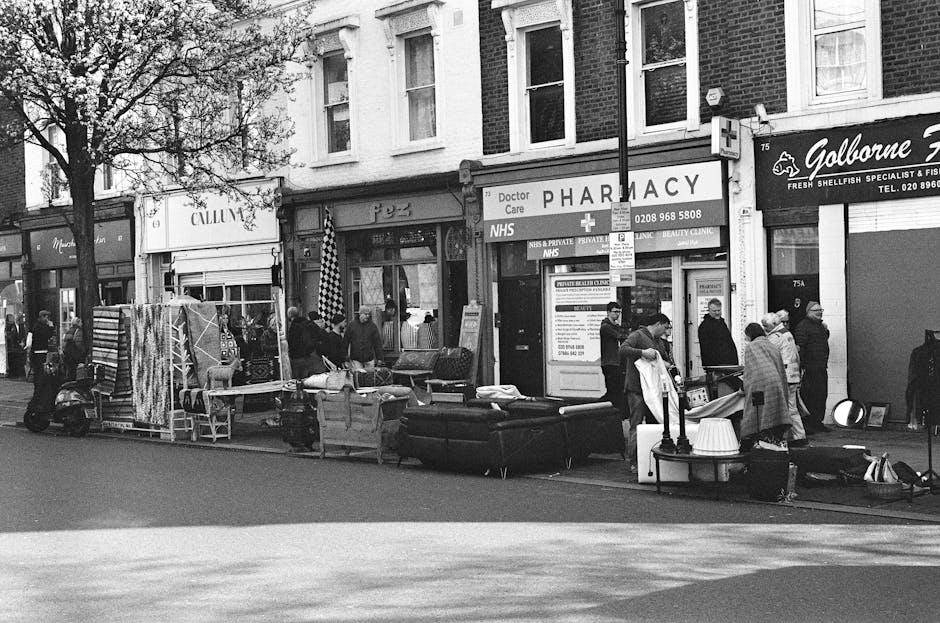
Why Tooting Market bulky rubbish removal explained Matters
Tooting Market and the streets around it have a very particular kind of rhythm. Busy footfall, mixed-use buildings, tight access, narrow entrances, and plenty of homes that do not have much spare storage. That mix is exactly why bulky rubbish removal matters here more than it might in a suburb with driveways and garden space.
Bulky rubbish is not just "a lot of rubbish". It usually means items that are awkward, heavy, or oversized: mattresses, wardrobes, sofas, broken desks, shop fittings, carpets, shelving, white goods, and similar items. In a place like Tooting, those items can create practical issues fast. They can obstruct shared hallways, cause complaints from neighbours, and make a property look untidy in a way that is hard to ignore.
There is also the safety angle. A heavy item carried badly down stairs can cause damage to walls, injuries to backs and hands, or a dropped item in a communal area. That is the bit people underestimate. One bruised knuckle is annoying; a smashed banister or a blocked fire exit is a much bigger problem.
Then there is time. Most people do not actually need "rubbish removal" in the abstract. They need the thing gone before a sale, a tenancy change, a delivery, or a renovation starts. If you are trying to clear space in a working market area or a busy residential road, delays ripple out quickly.
Practical takeaway: bulky rubbish removal is really about restoring usable space safely, not just making a pile disappear.
How Tooting Market bulky rubbish removal explained Works
The process is usually more straightforward than people think, but it helps to understand the moving parts before you book anything. In most cases, bulky rubbish removal follows a simple pattern: assess, quote, collect, sort, and dispose responsibly.
1. Identify what needs removing
Start by listing the items. Be specific. "Old stuff from the spare room" is not enough when you are trying to plan access and labour. A chest of drawers, two armchairs, a fridge freezer, and a mattress are very different jobs from a stack of cardboard and some dismantled shelving.
It helps to separate items into categories:
- Furniture: sofas, beds, wardrobes, tables, chairs
- Appliances: fridges, freezers, washing machines, cookers
- Mixed bulky waste: broken flat-pack furniture, rugs, blinds, shelving
- Clearance waste: bags, packaging, household clutter, small loose items
2. Check access and lifting conditions
Access matters more than people expect. Is the item on the ground floor or up two flights of stairs? Is there a lift? Can a vehicle stop nearby, or does everything need to be carried through a courtyard? In Tooting, those details can change the whole approach.
A good removal service will ask questions about access, parking, loading distance, and whether items need dismantling. That is not fussiness. It is the difference between a smooth clearance and a lot of unnecessary back-and-forth.
3. Decide between collection and full clearance
Sometimes you only need a few bulky items taken away. Other times you need a broader clearance, where everything is cleared from a room, flat, shop space, or storage area. A single collection is usually quicker and simpler. A full clearance is better when clutter has built up or the end goal is to hand back a property empty and ready.
If your job is closer to a move-out or end-of-tenancy clear, the detail on house clearance in Tooting may be more relevant than a one-off waste lift.
4. Load, separate, and route items appropriately
This is where proper handling matters. Reusable items may be separated from general waste where possible. Recyclable materials should be handled differently from mixed waste. White goods can require special handling because of internal components and refrigerants. And yes, the annoying old wardrobe that seems to expand every time you move it still needs to come apart somehow.
5. Dispose in line with local best practice
Responsible disposal means items are taken to the right facility or routed into recycling streams where appropriate. Not everything can be recycled, but a professional service should be able to explain how different waste types are handled in a general sense.
If sustainability matters to you, it is worth reading more about recycling and sustainability before you choose how to clear your items.
Key Benefits and Practical Advantages
Bulky rubbish removal offers more than a tidy room. For many people, the real value is relief. A cluttered space quietly drains your energy. The room feels unfinished. You avoid using it. You keep stepping around the same awkward chair legs for weeks. Then it is gone and the space breathes again.
Here are the main practical advantages:
- Less physical strain: no risky solo lifting or dragging heavy items downstairs
- Faster turnaround: useful when time is tight before moving, selling, or refurbishing
- Safer handling: especially for large furniture, appliances, and awkward loads
- Cleaner finish: a proper collection usually leaves the area far more presentable
- More suitable disposal: better chance of recycling or correct waste routing
- Less disruption: one coordinated visit can be easier than multiple trips to a tip
There is also a mental benefit, though people do not always say it out loud. A clear room just feels lighter. Sounds a bit dramatic perhaps, but if you have ever walked into an empty flat after a clearance, you will know the strange quiet of it.
Who This Is For and When It Makes Sense
This type of removal is useful for a wide range of people, not just landlords or shop owners. In practice, it helps anyone dealing with items that are too large, too awkward, or too numerous for a standard bin collection.
Typical situations include:
- Residents clearing a flat or house: moving out, decluttering, or dealing with inherited furniture
- Tenants at the end of a tenancy: removing leftover items quickly and cleanly
- Landlords and agents: resetting a property between occupancies
- Shop or market traders: disposing of shelving, packaging, broken stock displays, or old fixtures
- Home renovators: clearing furniture and debris before building work starts
- People without a suitable vehicle: if the item will not fit in the car, that decision is already made for you
It makes sense when the job is bigger than a household can comfortably manage, or when timing matters more than doing it yourself. If you can lift the item safely, transport it legally, and dispose of it properly, DIY may be fine. But if any one of those three is shaky, a professional collection is usually the smarter route.
For larger-scale clearances tied to renovations or trade work, you may also want to compare this with builders waste disposal in Tooting.
Step-by-Step Guidance
If you want a clean result and fewer surprises, follow a simple process. It sounds obvious, but small prep can make a big difference.
- Make an item list. Write down what is going. Include anything heavy, fragile, or awkward.
- Take quick photos. A few pictures of the items and access route help whoever is quoting understand the job.
- Measure oversized pieces. Wardrobes, beds, and appliances can be deceptive. A tape measure saves embarrassment.
- Check what needs dismantling. Some furniture is easier to remove in pieces, especially in older Tooting properties with tighter stairways.
- Clear a path. Move smaller objects out of the way so the team can work safely.
- Confirm timing and parking access. If the vehicle cannot load nearby, allow extra time.
- Separate anything you want to keep. This sounds basic, but it is the step people regret skipping.
- Ask how the waste will be handled. You do not need a lecture, just a clear answer on disposal and sorting.
A useful rule of thumb: if you are unsure whether something counts as bulky waste, treat it as bulky until proven otherwise. That is safer for planning. It also avoids the awkward moment of saying "it's just a few things" when it is actually half a room.
Expert Tips for Better Results
There are a few small habits that make bulky rubbish removal smoother. None of them are complicated. That is the good news.
- Bundle items logically. Keep soft furnishings together, hard furniture together, and loose waste in separate piles if possible.
- Tell the truth about access. If the stairwell is narrow or the parking is awkward, say so upfront. It saves everyone time.
- Don't underestimate weight. A small-looking item can be surprisingly heavy. Old wardrobes have a talent for this.
- Remove personal items first. Drawers, pockets, cupboards, and under-bed storage are where "forgotten" things hide.
- Choose the right timing. Early bookings can be useful around busy weekends and market periods when local access may be tighter.
- Ask about recycling routes. If reuse or recycling matters to you, say that at the start rather than after collection.
One practical detail people miss: if you are clearing a room that shares walls or corridors with neighbours, do the loud, scraping, banging part at a sensible time. Sounds trivial. It is not. A considerate hour makes the whole job feel much less tense.

Common Mistakes to Avoid
Bulky waste jobs often go wrong for very ordinary reasons. The good news is, most of them are avoidable.
1. Leaving booking too late
Many people wait until the day before a move or handover. Then the pressure spikes, and options become limited. If you know a large item has to go, book it as soon as you can.
2. Guessing the size of the job
"Only a van load" can mean very different things to different people. Better to overdescribe the job than understate it.
3. Forgetting about access
An item may be easy to remove from the room, but difficult to get out of the building. Stairs, corners, and shared entrances matter. A lot.
4. Mixing keep items with discard items
This one causes avoidable stress. Keep anything you want to retain in a clearly separate space before the removal day.
5. Assuming everything can go in general waste
Some items require special handling, particularly electricals and appliances. The point is not to make life harder. It is to avoid doing the wrong thing by accident.
Tools, Resources and Recommendations
You do not need specialist equipment for most bulky rubbish jobs, but a few simple tools can make a noticeable difference.
- Measuring tape: useful for checking door widths, stair turns, and item dimensions
- Basic screwdriver or hex key set: handy if furniture needs dismantling
- Labels or masking tape: good for marking keep, donate, and remove piles
- Work gloves: sensible for rough edges, dusty surfaces, and broken packaging
- Protective blankets or floor covering: helpful in narrow corridors and shared spaces
- Phone camera: probably the most useful tool of all for documenting the job
For local service planning, the most useful pages tend to be the ones that explain scope clearly. A general waste collection in Tooting page can help you compare what is included versus what needs a more targeted service like furniture disposal or house clearance.
If you are dealing mainly with broken seating, tables, or bedroom furniture, you may find furniture disposal in Tooting more relevant. If the job has spread outdoors into planters, turf, or trimmings, then garden waste removal in Tooting may fit better.
Law, Compliance, Standards, or Best Practice
When bulky rubbish is collected, the important principle is simple: waste should be handled responsibly and passed to an appropriate facility or route. In the UK, households and businesses are expected to take care that waste does not end up fly-tipped or handed to someone unfit to deal with it. That is the broad standard to keep in mind.
For most readers, the practical takeaway is this: choose a service that is clear about how it handles waste, especially if you are disposing of mixed materials, electricals, or items that could be reused. If the service cannot explain its process in plain language, that is a mild warning sign. Not always a deal-breaker, but worth noticing.
Safety also matters. Lifting heavy items, working in stairwells, and moving through shared entrances should be done with care. Good practice includes:
- not blocking fire exits or communal corridors
- avoiding unsafe solo lifting of heavy furniture
- protecting walls, bannisters, and floors where needed
- sorting electrical items appropriately
- using insured, traceable waste handling practices where applicable
If you are arranging a clearance for a business or rented property, keep records of what was removed and when. That basic habit helps with accountability, and in real life it can save a lot of back-and-forth later.
Options, Methods, or Comparison Table
There is more than one way to deal with bulky items. The best option depends on speed, access, amount of waste, and how much effort you want to spend on it.
| Method | Best for | Pros | Watch-outs |
|---|---|---|---|
| DIY disposal | Small number of manageable items | Can be low cost if you already have transport | Heavy lifting, parking, tipping rules, time, and multiple trips |
| Man and van style collection | Mixed bulky items, quick removal, awkward access | Fast, flexible, less lifting for you | Needs clear description of items and access |
| Full property clearance | Whole-room or whole-property jobs | Comprehensive, efficient for larger clear-outs | Usually more involved than a simple one-off collection |
| Specialist furniture disposal | Single or multiple large furniture items | Good fit for sofas, wardrobes, beds, and similar pieces | May not suit mixed rubbish or renovation debris |
| Builders waste collection | Renovation leftovers and trade waste | Better for heavier mixed construction-type waste | Not ideal if the job is mainly household furniture |
The honest answer? There is no "best" method in the abstract. The right choice depends on your actual mess. That may sound obvious, but people often choose based on price alone and then regret the extra hassle.
Case Study or Real-World Example
Picture a typical flat near Tooting Market: one bedroom, a narrow stairwell, and an old sofa bed that has seen better days. The tenant has a move-out deadline, the sofa does not fit through the turning on the landing without care, and there is also a broken desk, two mattress toppers, and a box of mixed packaging.
In a situation like that, the smartest route is usually a planned bulky waste collection rather than trying to piece it out over multiple trips. The tenant lists the items, sends a few photos, and flags the stair access. The removal team arrives with the right size vehicle and enough manpower for the lift. The sofa is removed safely, the lighter waste is loaded separately, and the flat is left clear enough for final cleaning.
What made the difference? Not luck. Preparation.
The job went smoother because the access problem was mentioned early, the items were grouped sensibly, and nobody tried to wing it on the day. That is the real lesson here. Most bulky removal jobs become stressful only when the details are left vague.
In a busier setting, say a trader replacing old display units or clearing packing waste after a refit, the same principle applies. Clear the route, specify the items, and choose the service type that matches the actual load. Nice and simple, if a little less glamorous than people hope.
Practical Checklist
Use this quick checklist before collection day:
- Have I listed every bulky item that needs removing?
- Have I checked whether anything needs dismantling first?
- Are all keep items moved out of the way?
- Have I measured the largest pieces and key access points?
- Do I know whether the vehicle can park or load nearby?
- Have I mentioned stairs, narrow halls, or lift access issues?
- Have I separated obvious electrical items from general furniture?
- Do I understand what will happen to the waste after collection?
- Have I allowed enough time for the job, not just the loading?
- Have I chosen the right type of service for the job size?
If you can tick most of those boxes, you are already ahead of the game.
Conclusion
Tooting Market bulky rubbish removal explained in plain terms is really about one thing: getting large, awkward items out of the way safely and without causing yourself unnecessary grief. The best outcomes come from being specific about what needs removing, being honest about access, and choosing the right level of service for the job. That may be a simple one-off collection, or it may be a broader clearance if the space has got away from you a bit.
The local context matters too. In a busy area with flats, mixed-use buildings, and tight access, small planning choices make a big difference. A little prep saves a lot of bother. It always does.
Get a free quote today and see how much you can save.
If you are still weighing up the next step, take a breath, make the item list, and start with the option that feels most manageable. A clear space has a funny way of making everything else feel more possible.

 Tipper Van - Rubbish Removal and Waste Disposal Prices in Tooting, SW17
 Luton Van - Rubbish Removal and Waste Disposal Prices in Tooting, SW17


